Traveling to Tanzania is an adventure of a lifetime — a journey into breathtaking landscapes, warm hospitality, and diverse cultures. Whether you’re chasing the Big Five in the Serengeti, climbing Mount Kilimanjaro, or relaxing on the white sands of Zanzibar, a bit of preparation will help you make the most of your visit.
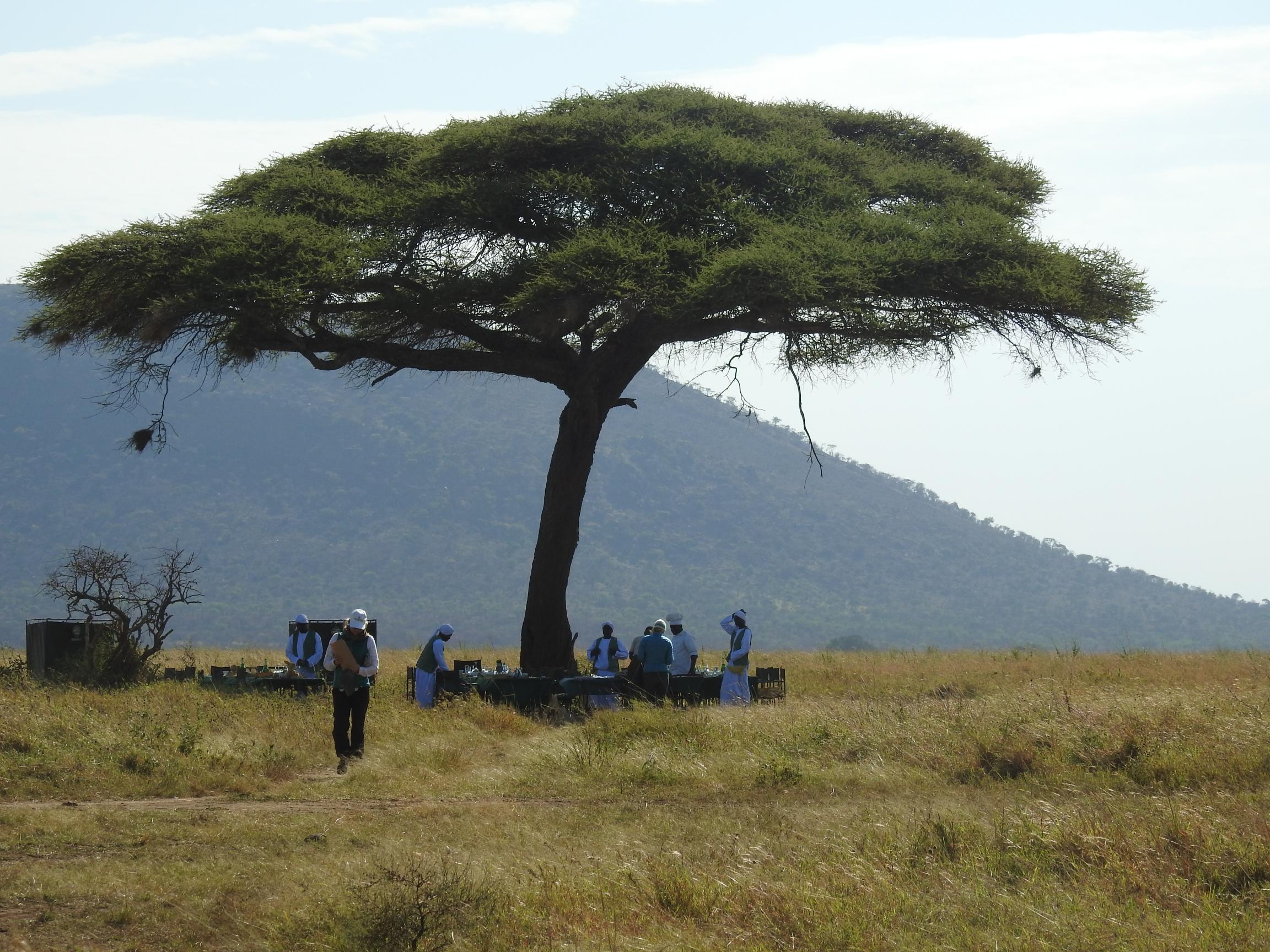
Tanzania’s climate can be divided into two main seasons — the dry season and the rainy season — both shaping the country’s natural beauty and wildlife patterns.
Most travelers need a visa to enter Tanzania. You can obtain one easily upon arrival at major entry points or apply online through the Tanzania e-Visa system. Ensure your passport is valid for at least six months beyond your travel dates and has blank pages for stamps. Citizens of East African countries can travel visa-free under regional agreements.
Tanzania is generally a safe and welcoming destination. However, it’s recommended to take basic precautions:
Vaccinations: Ensure you’re up to date with routine vaccines. A yellow fever certificate may be required if you’re arriving from an infected area.
Malaria Prevention: Carry mosquito repellent, wear long-sleeved clothing in the evening, and take prescribed malaria medication.
Water & Food: Drink bottled or filtered water and enjoy food from reputable restaurants or lodges.
The local currency is the Tanzanian Shilling (TZS). While major hotels and lodges accept credit cards, it’s best to carry cash for local markets and remote areas. U.S. dollars (issued after 2009) are widely accepted for tourism payments. ATMs are available in most towns and cities.
Tanzanians are warm, respectful, and community-oriented. A friendly “Jambo!” (Hello) or “Asante” (Thank you) goes a long way. Dress modestly in towns and villages—especially around religious or coastal areas like Zanzibar. Always ask before taking photos of people or their property.
Domestic flights connect major destinations like Arusha, Serengeti, Zanzibar, and Dar es Salaam. Roads are improving, but travel times can be long — part of the adventure! For safaris, book with reputable tour operators who provide professional guides and well-maintained vehicles.
Tanzania is a year-round destination, but the best time depends on your interests:
June to October: Ideal for wildlife safaris; dry and sunny.
November to March: Green season with fewer crowds; great for birdwatching and lush scenery.
December to February: Perfect for climbing Mount Kilimanjaro or relaxing by the coast.
English and Swahili are widely spoken. Mobile coverage is excellent in most areas, and local SIM cards are cheap and reliable. Many lodges and hotels offer Wi-Fi, though speeds may vary in remote regions.
Respect local customs, support community-based tourism, and avoid single-use plastics. By traveling responsibly, you help protect Tanzania’s natural heritage and empower local communities.
In short: Tanzania welcomes you with open arms — a land where the rhythm of wildlife, the smiles of its people, and the spirit of adventure create memories that last a lifetime. Karibu Tanzania! (Welcome to Tanzania!)
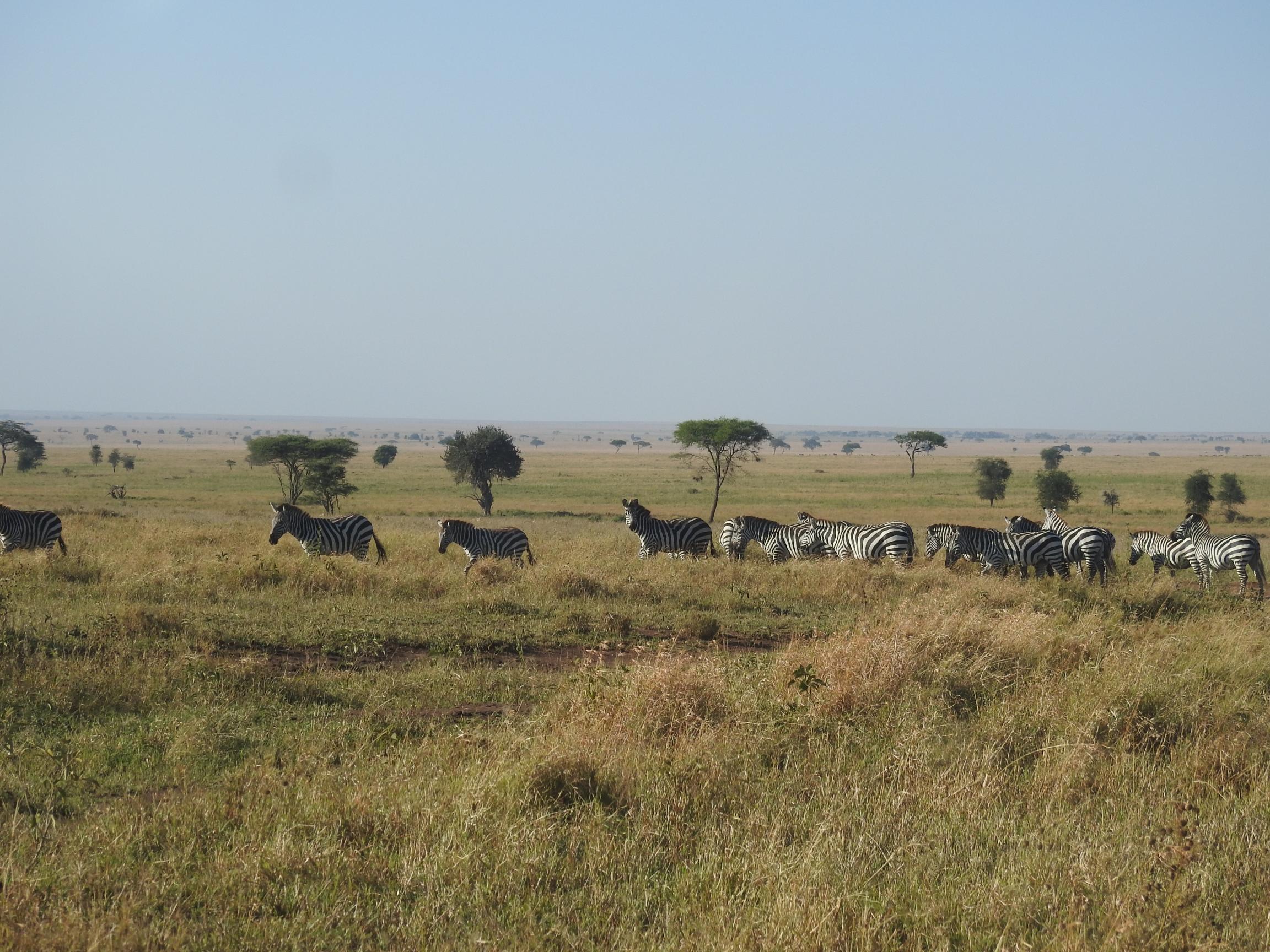
At Ariel Tanzania Tours and Safaris, we believe in co-creating your ideal safari. Our travel experts will guide you through our collection of sample itineraries, adapting and refining them with you to construct a personalized and unforgettable Tanzanian tour.
WhatsApp us